-
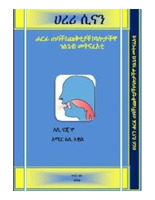
An Executive Summary of the textbook.
-
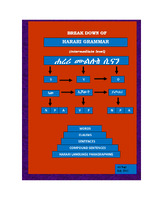
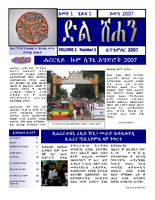
This text, Harari Grammar breaks it down to disclose the inherent features in ten chapters.Extraordinary concentration need be given to ma clause, nominalization, adjectivization andHarar compound sentence as well the tenth chapter holds paragraphing of courses (withoutneglecting other chapters).
-
Literature reflects life, shows culture, consciousness, and inspiration through imaginative presentations. In this book, I have attempted to create connection, provide knowledge, and describe the culture, more importantly, holding to the high standard of beliefs, set of values, and the continuity of Harari identity.
-

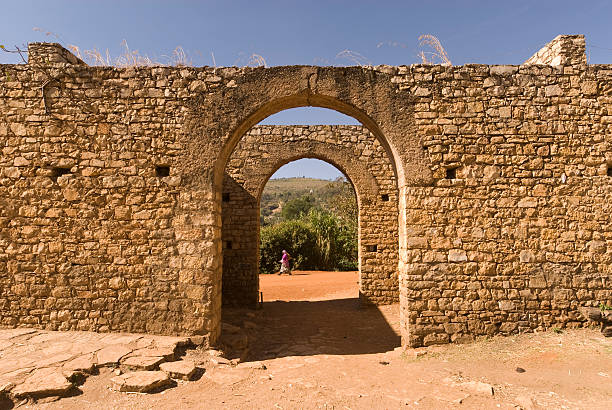
A PhD dissertation submitted to the School of History, Tel Aviv University,Between 1875 and 1885, the walled town of Harar, the ancient capital of Islam in the Horn of Africa, was occupied by Egypt, striving at that time to build an empire that stretched over both the greater Nile basin and the African Red Sea coast. Though Europeans were only indirectly involved, and though both occupiers and occupied were Muslims, the episode may well be regarded as a colonialist experience. At that time Egypt represented a rapidly modernizing,western-oriented state aiming to transform aspects of its local culture and structure according to Egyptian visions and interests. The entire episode was too short to leave a lasting, comprehensive impact. The Egyptian imperial enterprise collapsed for reasons that had little to do with the Harar experience, and in 1885, the British.
-
-
-

...The Imam Ahmad, nicknamed Graft, or the left-handed, came nearer to success between the years 1528 and 1543 than any of his predecessors or successors. For some five years his advance was gradual....
-
Palgrave Macmillan, 2000 – History
Ethiopia in Eastern Africa and Yemen on the Arabian Peninsula remain two of the most inviting outposts for travelers seeking the exotic. In these two places, Qat is just one name given to a green leafy plant that is cultivated there. When chewed, the leaves of this plant release two substances that produce a hypnotic, reverential “high,” distinctive in the thoughtful state it induces. Kevin Rushby discovered that the use of Qat is a way of life since it plays a pivotal role in all facets of the culture influencing everything from architecture to television schedules.
-
Covers Kenya, Tanzania, Zanzibar, Ethiopia, Djibouti, Uganda, and Eritrea -- Features full-color photographs of regional highlights -- Includes a color section on wildlife in each region, with an accompanying animal location chart -- Contains over 150 fascinating snippets on life in East Africa, ideal for reading on the bus or waiting at the airport -- Lists accurate and detailed information on the extensive network of national parks and game reserves -- Includes comprehensive listings on accommodations, restaurants, and cafes for all budgets
-
Although it still has a low urban population when compared with the rest of the world, Ethiopia nevertheless has been experiencing one of the most rapid urbanization processes of recent years. This rapid urban growth, however, has not been accompanied by a commensurate increase in basic infrastructure and amenities that are essential for a healthy urban environment. Housing, water supply, sanitation services, drainage, transport networks and health services have not been able to keep pace with the prevailing urban growth rates, resulting in a deterioration of urban living conditions and increasingly serious health problems.Living With Urban Environmental Health Risks examines the extent and nature of environmental problems in urban areas in Ethiopia and their impact on health. The book points to the economic and political causes that underlie many of the urban problems in the country. This in-depth analysis suggests ways to deal with these problems at community, municipal, and national levels. to view the Harar part click on the High lights.
-
"Between the jaws of hyenas": a diplomatic history of Ethiopia, 1876-1896. Start from Page 32 or Chapter 1
-
CHAPTER VHARRAR The site we had selected for our camp was a broad, hard grass terrace overlooking the valley, surrounded by coffee-plantations, and rising at the back to a sandstone plateau on which many villages were built. All day long the road past the camp was alive with villagers bringing their goods to market from the fertile district which lies all around. The town itself of Harrar was just out of sight behind a rise, only the minarets of the old mosques being visible, but the view extended for miles and miles over the near ofrcen hills to the chains of blue mountains which filled up the background. On our right was the Jebel Hakem overlooking the town, with a little white cluster of tents, representing the Italian Red Cross Mission, on the site of the late Italian Consul's (Signor Pietro Felter) gardens; whilst far away on left, towards the east, was the lofty table-mountain of Kondura, or Kondudo, where Ras Makunnen has his summer residence.